

Diagnostic imaging plays a critical role in modern healthcare by helping doctors identify, monitor, and manage a wide range of health conditions. In Paphos, patients have access to several types of medical imaging tests that support accurate and timely diagnosis. These include MRI scans, CT scans, X-rays, ultrasounds, bone density tests, and mammograms — all of which are performed using advanced imaging systems.
This article aims to inform patients in Paphos and across Cyprus about what each diagnostic imaging method involves, when it’s commonly used, and what to expect during the process.
MRI Scans in Paphos
Magnetic Resonance Imaging (MRI) uses strong magnetic fields and radio waves to produce detailed images of organs, soft tissues, and other internal structures. It is often used to examine the brain, spine, joints, and abdominal organs.
If you’re scheduled for an MRI in Paphos, the procedure is painless and usually takes between 20 to 45 minutes. It’s important to inform your medical provider if you have any implants or metal devices in your body, as MRI scanners may not be compatible with certain materials.
Learn more about MRI Examinations
CT Scans in Paphos
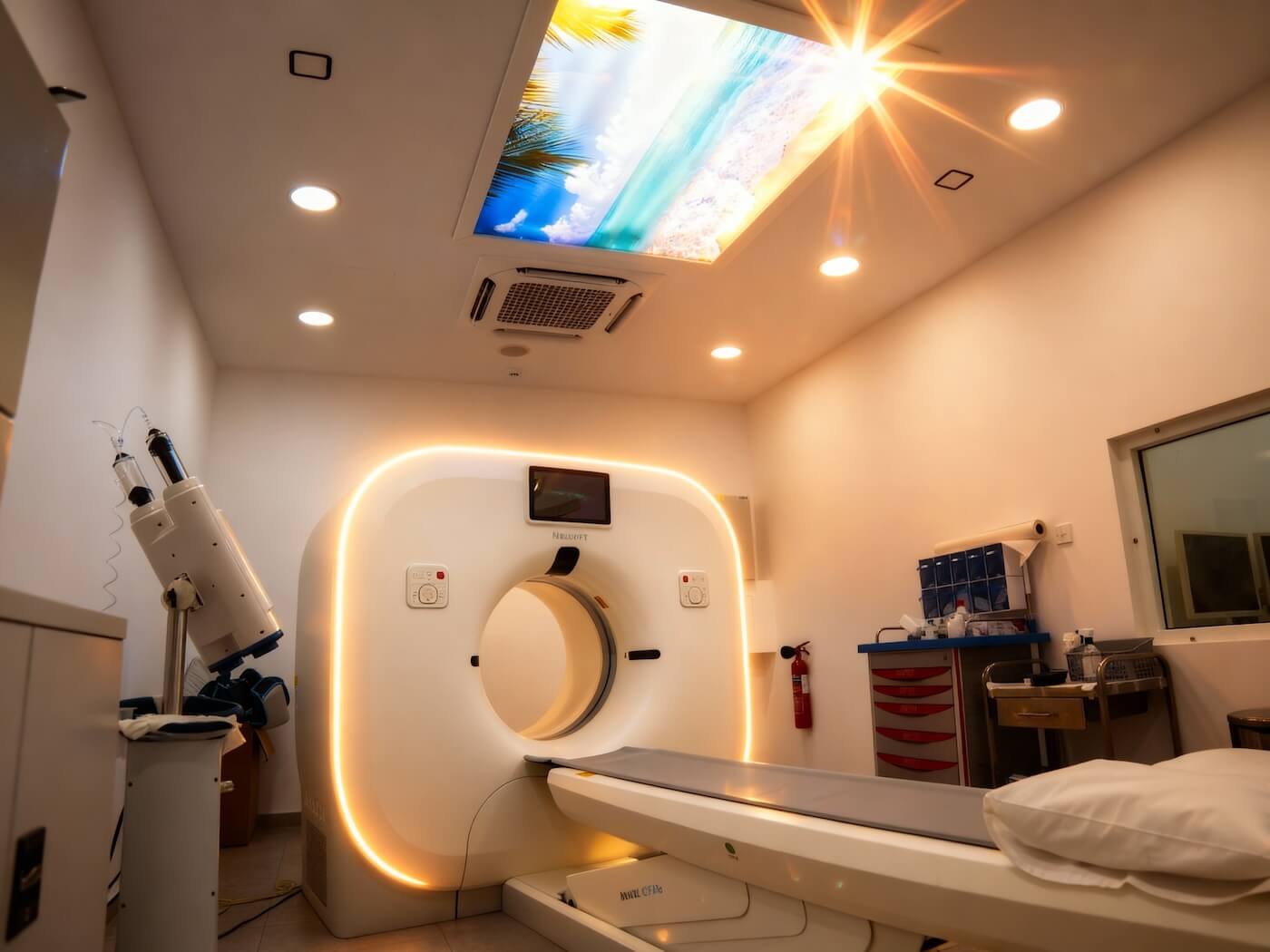
Computed Tomography (CT) combines X-ray technology with computer processing to generate cross-sectional images of the body. CT scans are commonly used to detect issues involving the lungs, bones, blood vessels, and abdominal organs.
Modern CT scanners in Paphos, such as the Neuviz 64e PRO, are designed to reduce radiation exposure by up to 80%, making them a safer choice for repeated imaging when necessary. The scan itself is quick, typically lasting less than 10 minutes.
Details on CT Examinations
Ultrasound Scans in Paphos
Ultrasound imaging (or sonography) uses high-frequency sound waves to create real-time images of internal organs and tissues. It is commonly used for abdominal scans, thyroid assessments, pregnancy monitoring, and vascular studies.
An ultrasound in Paphos is non-invasive, does not use radiation, and is considered very safe — even during pregnancy. Results are often available shortly after the scan.
Learn about Ultrasound Services
X-Ray Examinations in Paphos
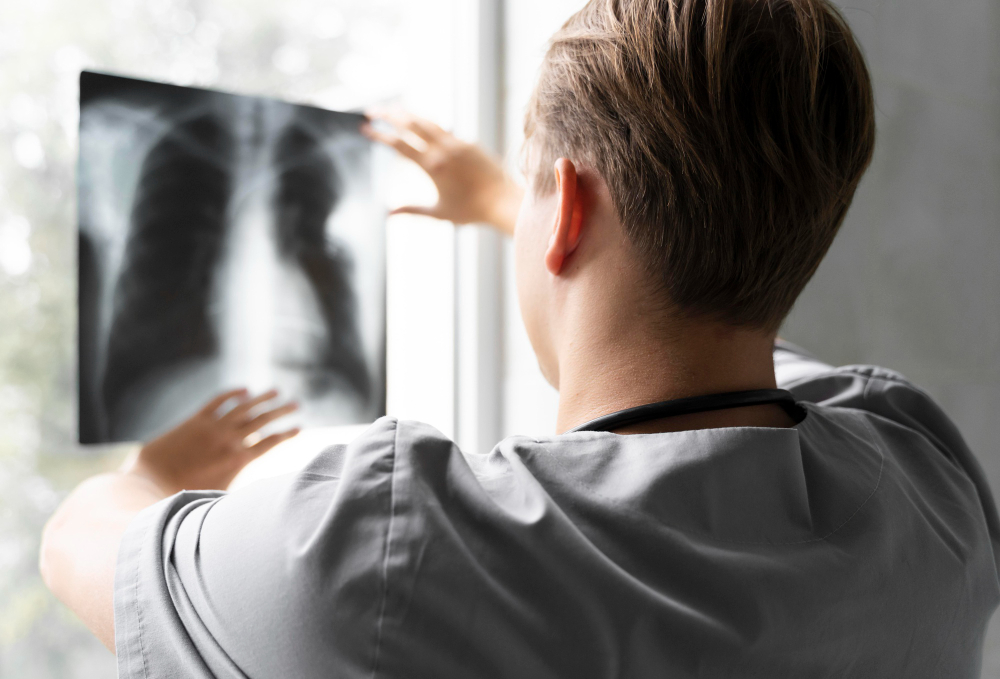
X-rays remain one of the most widely used diagnostic tools in medicine, especially for examining bones, chest conditions, and injuries. The scan is fast and involves minimal radiation exposure. Most patients can resume normal activities immediately afterward.
More about X-Ray Examinations
DEXA Bone Density Tests
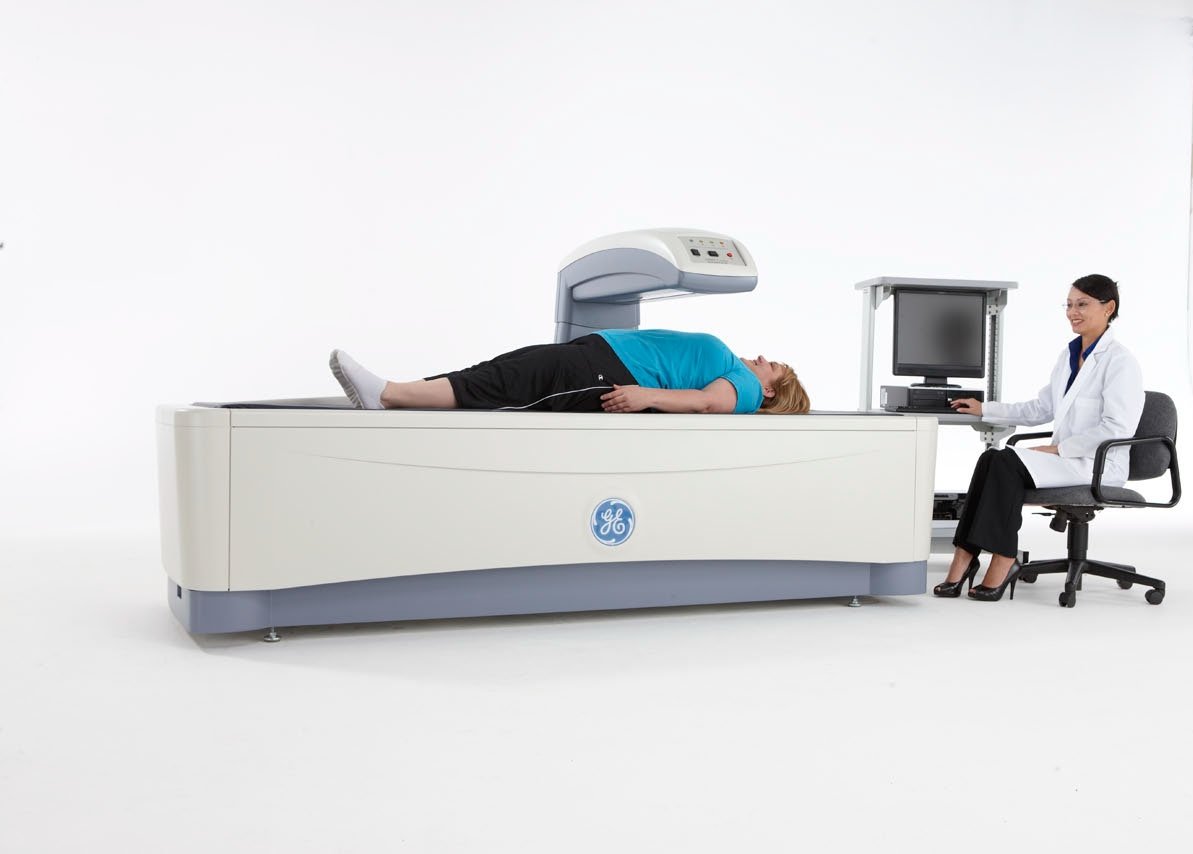
A DEXA scan (Dual-Energy X-ray Absorptiometry) measures bone mineral density and is used to diagnose conditions like osteoporosis. It is a low-radiation procedure and typically takes less than 15 minutes. Results are used to guide decisions about treatment and prevention of bone-related conditions.
Information on Bone Density Measurement
Mammography for Breast Health
Mammograms are X-ray images of the breast and are essential for early detection of breast cancer. Women over the age of 40 are often advised to have regular screening mammograms, depending on individual risk factors and medical history.
Explore Mammography Services
When to Consider Diagnostic Imaging
Diagnostic imaging may be requested by your healthcare provider if you are experiencing unexplained symptoms, recovering from an injury, or undergoing treatment for a known condition. It can help detect underlying issues early, often before symptoms become severe.
If you’re unsure which type of scan is appropriate, speak with your referring physician or radiologist. They will guide you based on your symptoms and medical background.
Accessing Radiology Services in Paphos
Patients in Paphos and surrounding areas have access to a modern diagnostic center in Cyprus, equipped with up-to-date technology and staffed by trained professionals. From MRI Paphos and CT scans to ultrasound and X-ray imaging, medical imaging services are readily available and accessible with minimal waiting time.
Most centers offer electronic result delivery, safety protocols, and patient-friendly environments to support comfort and care throughout the process.
Conclusion
Whether you need a routine screening, follow-up imaging, or an initial diagnostic test, understanding how each procedure works can help you feel more informed and confident about your care. If you live in or near Paphos and require diagnostic imaging, speak with your healthcare provider to schedule the appropriate examination.

 English
  Greek
Greek